
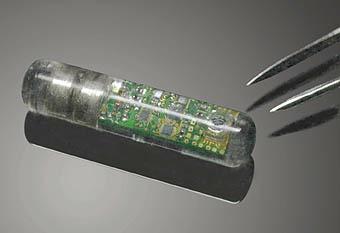
 Not new, but recently came across while researching some information about related devices…
The NASA Tech Briefs of May 1999 described a device that telemeters pressure changes to detect intrauterine contractions. According to the brief:
A biotelemetric system for monitoring key physiological parameters of a fetus and its uterine environment is undergoing development. The main purpose of the monitoring is to detect preterm labor in order to enable timely treatment. At the present stage of development, the system monitors pressure changes and temperature. The pressure changes serve as direct indications of intrauterine contractions that could be associated with the onset of preterm labor. Future versions of the system are expected to monitor additional parameters, including pH and the heart rate of the fetus.

 FDA has published a draft of the guidance document that it has developed to assist industry by identifying issues related to cybersecurity that manufacturers should consider in preparing premarket submissions for medical devices. This guidance document is intended to supplement FDA’s “Guidance for the Content of Premarket Submissions for Software Contained in Medical Devices” and “Guidance to Industry: Cybersecurity for Networked Medical Devices Containing Off-the-Shelf (OTS) Software”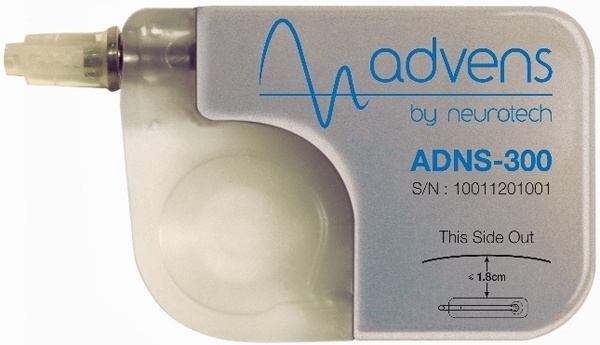

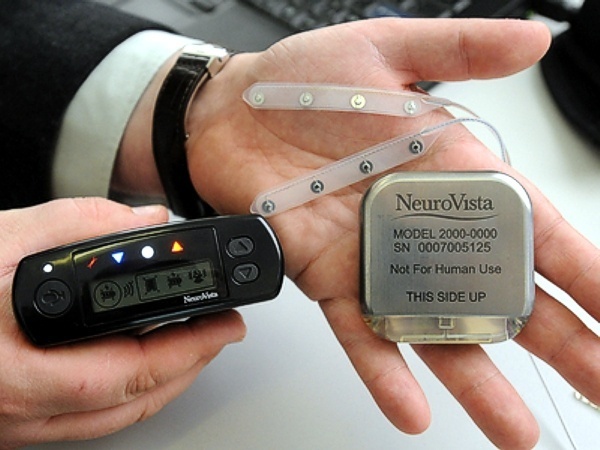
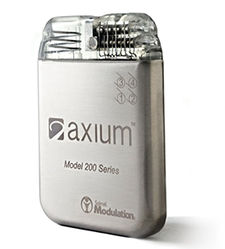 St. Jude Medical and privately-held Spinal Modulation, Inc., today announced that they have entered into a series of agreements under which St. Jude Medical made a $40 million equity investment in Spinal Modulation, a company that has developed an innovative neuromodulation therapy that provides a new pain management option for patients with chronic, intractable pain.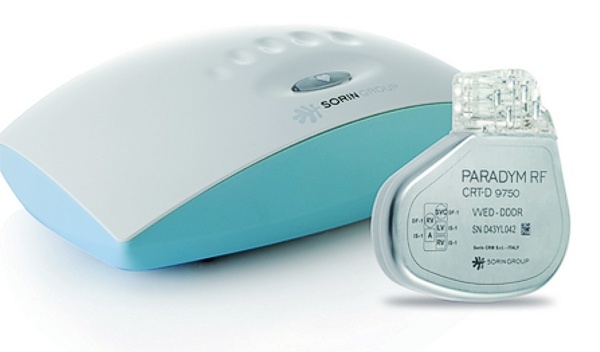
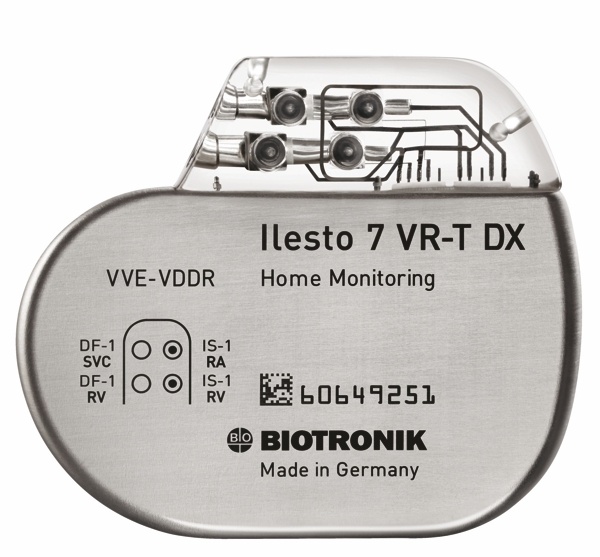
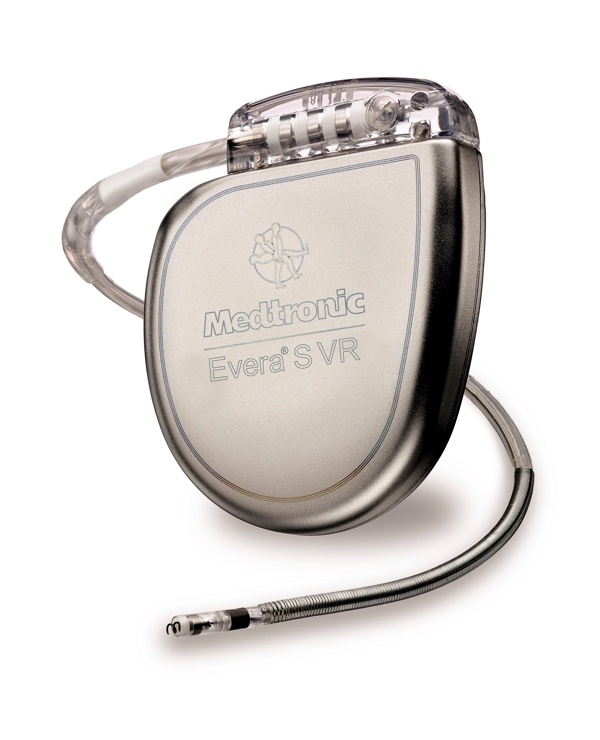
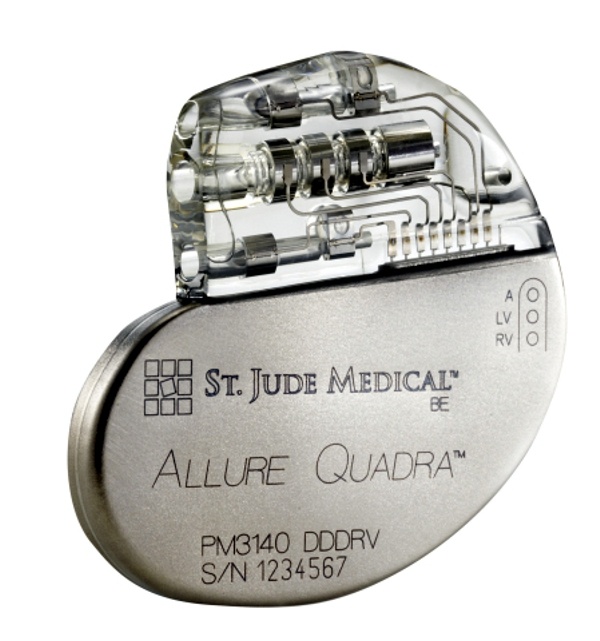 St. Jude Medical today announced CE Mark approval and European launch of its Allure Quadra™ Cardiac Resynchronization Therapy Pacemaker (CRT-P), which brings the quadripolar lead technology to the pacemaker market for the first time. According to the press release: