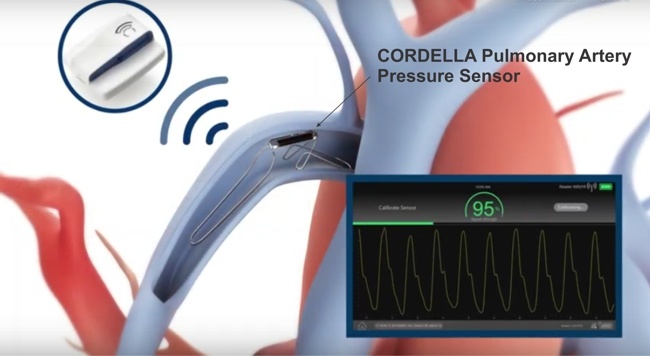
Endotronix, a privately held company based in Illinois, recently announced that it had reached 100 implants of the Cordella™ Pulmonary Artery Pressure Sensor. These sensors provide heart pressure readings to the Cordella™ Heart Failure System to empower clinicians to proactively adjust therapy and medications remotely without the need for office visits.
According to the announcement:
“The Cordella System enables scalable remote heart failure management and aims to increase guideline directed medical therapy (GDMT) adherence and provide early detection of worsening heart failure. The platform consists of a comprehensive patient management system that securely collects non-invasive daily health data, coupled with a seamlessly integrated, next-generation implantable PA pressure sensor. Together, they deliver the necessary information for clinicians to proactively titrate medications and improve patient care between office visits while supporting reimbursement for care delivery activities.”
The Cordella PA implantable sensor is still an investigational device.
Endotronix website: endotronix.com
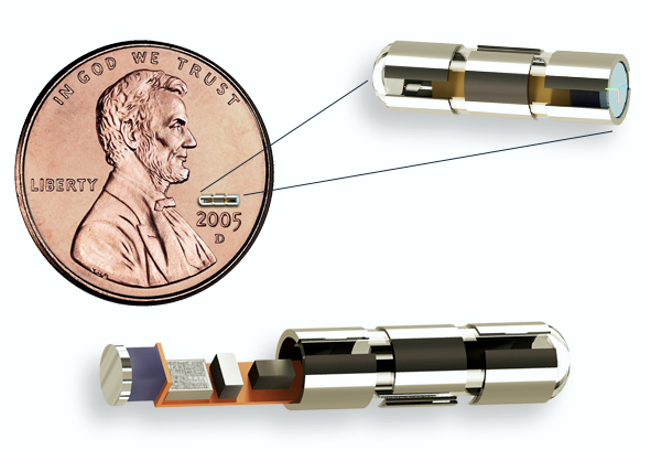

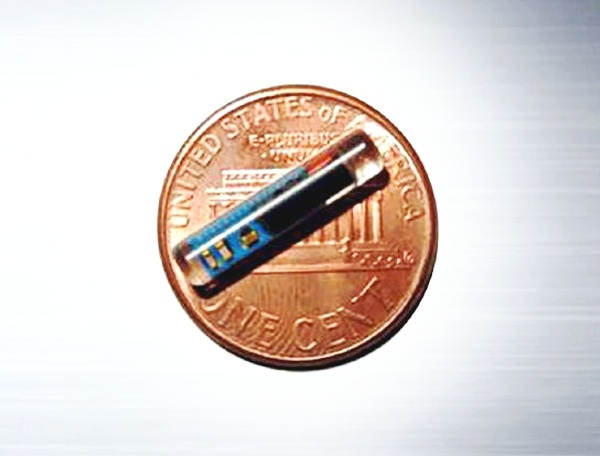


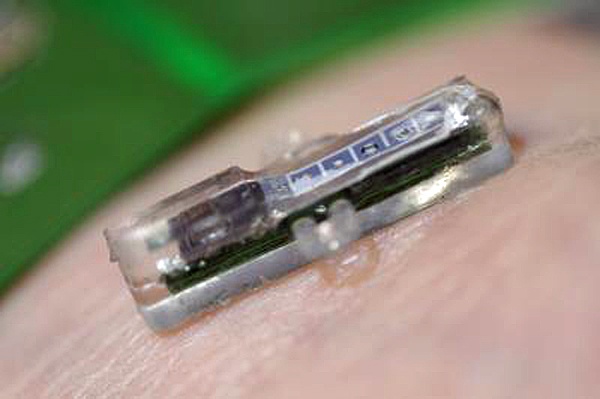
 Biotronik announced the European market release of BioMonitor®, an implantable cardiac device designed for the highly accurate and reliable monitoring and management of patients with atrial fibrillation (AF) or unexplained syncope.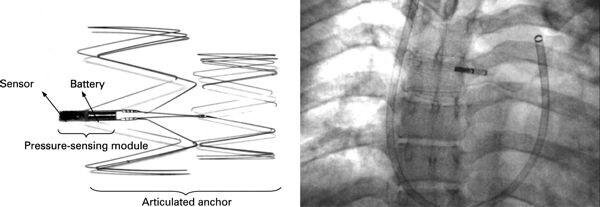
 Sensors for Medicine and Science, Inc. (SMSI) of Germantown, MD was founded in 1997 to develop chemical sensing technologies based on fluorescence sensing.

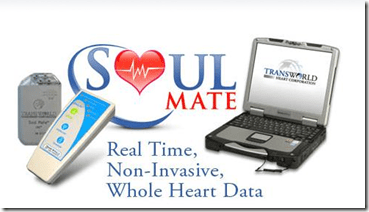
 Transoma was the name that Data Sciences International of St Paul, MN adopted in 2003 when it re-fucused its animal telemetry implant business to develop an implantable wireless system to capture electrocardiogram data for diagnosing human cardiac arrhythmias, as well as to monitor the electrical activity of the heart and transmit data from the patient’s home to monitoring centers.