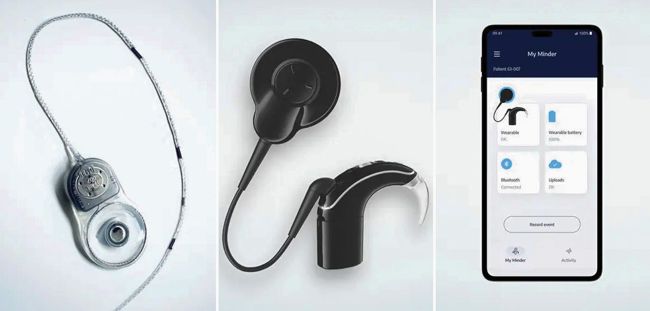
Image Credit: Epiminder
Australian-based Epiminder has been developing a continuous EEG monitoring (iCEM™) system intended to be uses in the management of drug-resistant epilepsy.
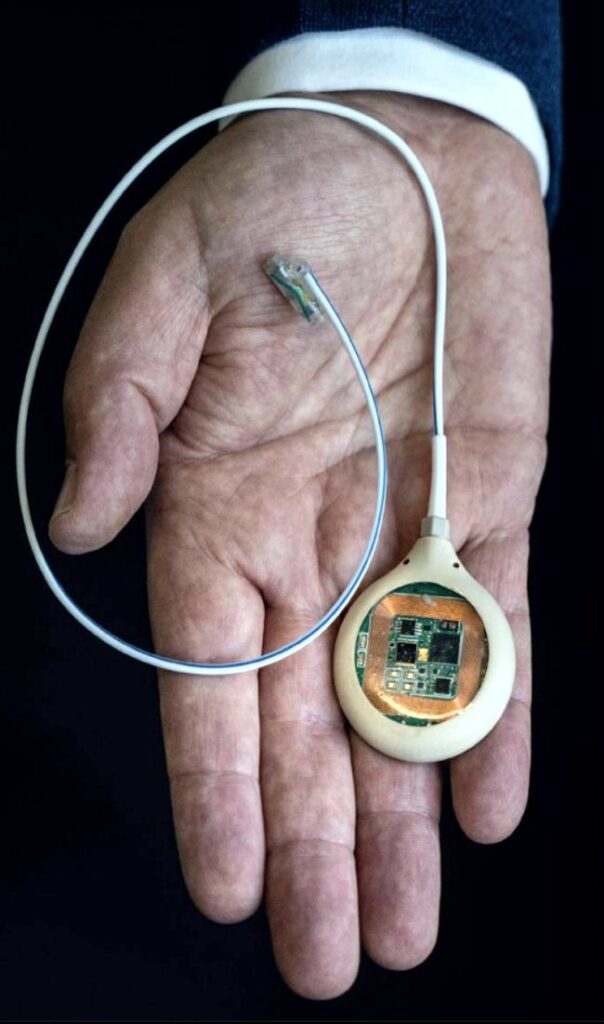
The system consists of an EEG recording and transmitting device implanted under the scalp which wirelessly sends the brain activity data through the skin to the Minder Wearable. The rechargeable Minder Wearable receives and stores EEG recordings and then transfers them to a smartphone-based Minder App, which uploads them to the Minder Cloud, from which they can be retrieved and reviewed by healthcare providers.
On October 30, 2026, Epiminder announced that FDA has cleared an expansion of the Minder implantable EEG monitoring system’s indication to include adolescents as young as 12 with drug-resistant epilepsy. The company says the submission included clinical safety, biocompatibility and device-performance evidence relevant to adolescent patients. The announcement extends the system’s previously adult patient population, although detailed adolescent study results were not released. The system is labeled in the United States for up to three years of use.
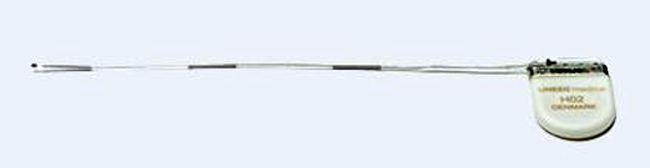
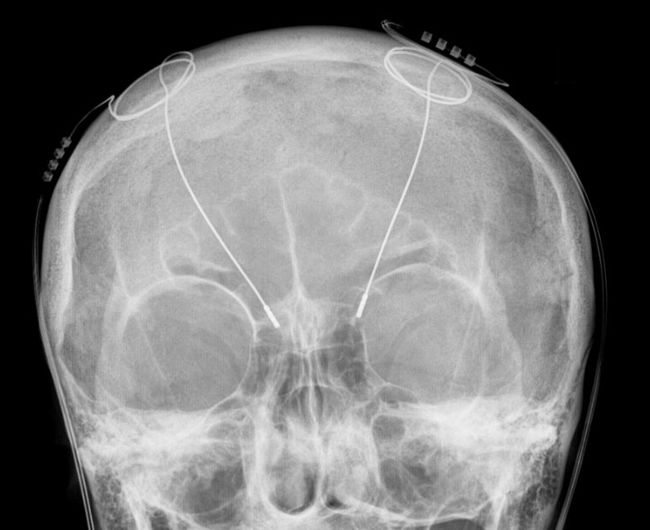
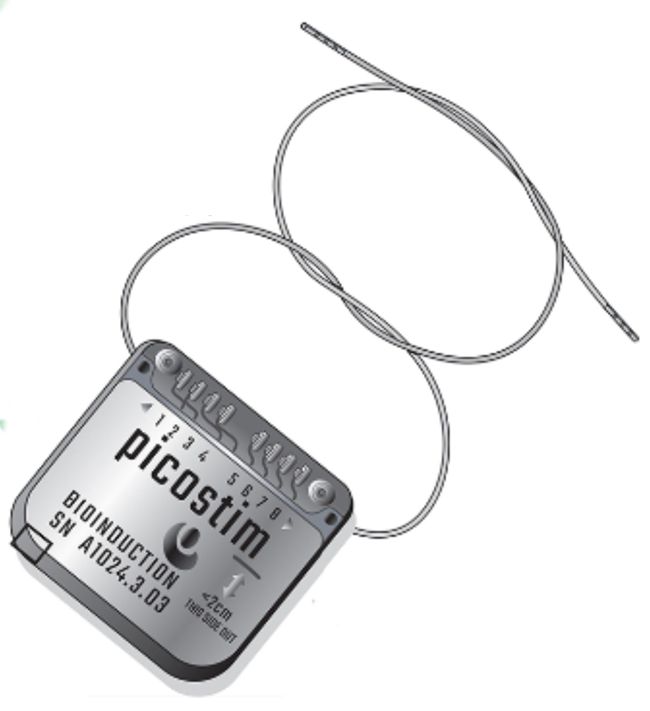
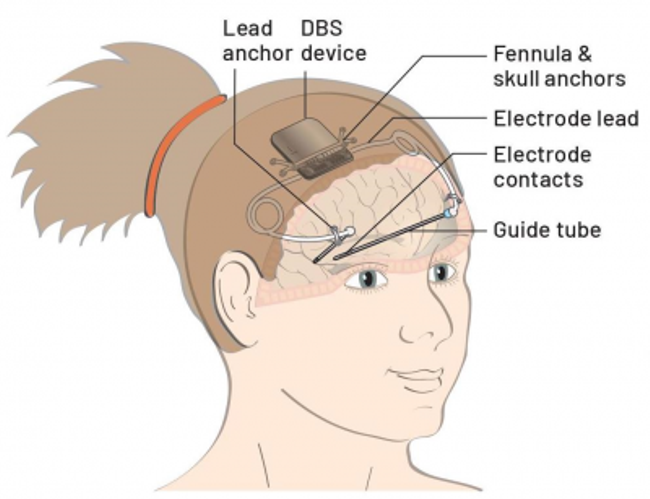

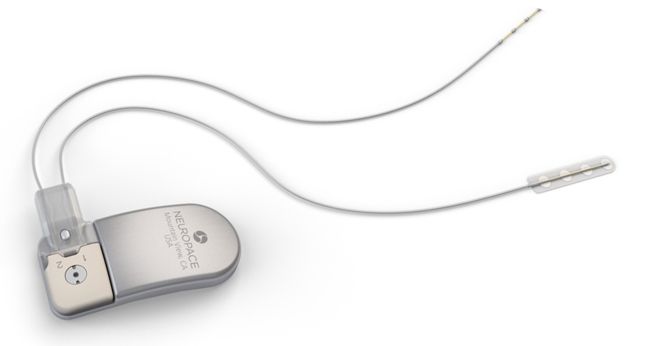
 Unlike Cyberonics’ VNS IPGs, the RNS® neurostimulator is designed to detect abnormal electrical activity in the brain and respond by delivering electrical stimulation to normalize brain activity before the patient experiences seizure symptoms. The neurostimulator is implanted in the cranium and connected to one or two leads that are implanted near the patient’s seizure focus.