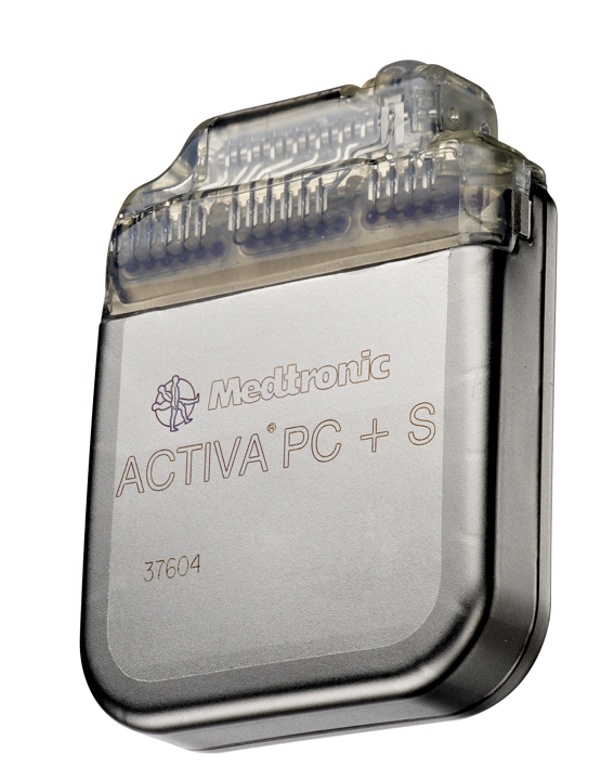
Medtronic today announced the first implant of the novel Activa® PC+S deep brain stimulation (DBS) system that, for the first time, enables the sensing and recording of select brain activity while simultaneously providing targeted DBS therapy.
According to the press release:
This initiates research on how the brain responds to the therapy and could yield insights that one day significantly change the way people with devastating neurological and psychological disorders, such as Parkinson’s disease, essential tremor, dystonia, and treatment-resistant obsessive-compulsive disorder, are treated.
The Activa® PC+S DBS system delivers proven Medtronic DBS Therapy while at the same time sensing and recording electrical activity in key areas of the brain using sensing technology and an adjustable algorithm, which enable the system to gather brain signals at various moments as selected by a physician. Initially, this new technology will be made available to a select group of physicians worldwide for use in clinical studies. These physicians will use the system to map the brain’s responses to Medtronic DBS Therapy and explore applications for the therapy across a range of neurological and psychological conditions.
 Start-up company
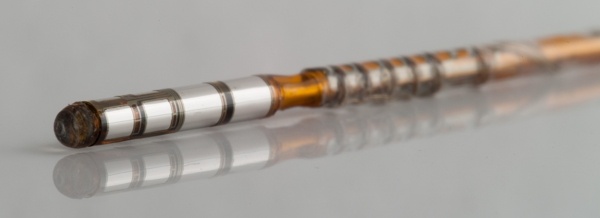
  Boston Scientific announced that it has launched a clinical trial to determine whether occipital nerve stimulation (ONS) using the Precision™ System can safely and effectively treat chronic migraine when used in conjunction with anti-migraine medications. According to the press release:
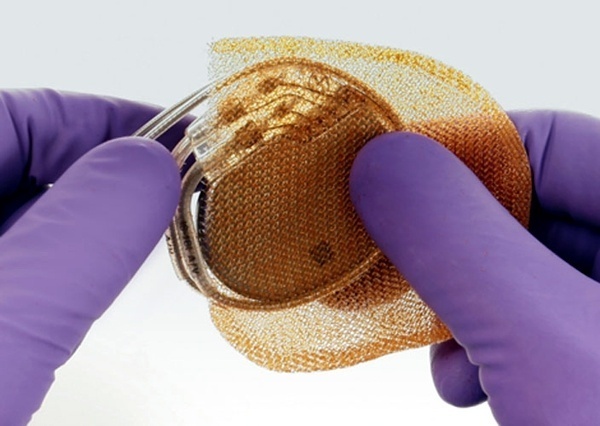
 Greatbatch Medical, which moved its headquarters to the Dallas, TX area last year, announced that it has set a target of at least 5%/yr organic growth. To accomplish this growth, the Company recently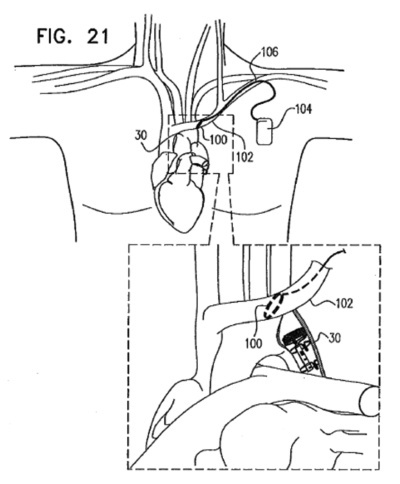
 NeuroTronik, a recent spin-off from Synecor, a Chapel Hill business accelerator, announced that it has raised $13.1M for the development of a neuromodulation system intended for the treatment of acute heart failure syndrome.

![logo_mainstay1[1]](https://www.implantable-device.com/wp-content/uploads/2013/06/logo_mainstay11.jpg)
![SynchroMed-II[1]](https://www.implantable-device.com/wp-content/uploads/2013/06/SynchroMed-II1-300x272.jpg)
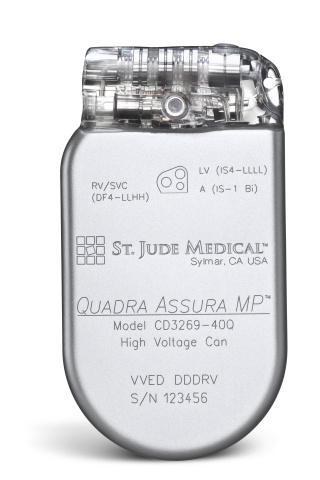 St. Jude Medical today announced CE Mark approval of its next-generation quadripolar device, the Quadra Assura MP™ cardiac resynchronization therapy defibrillator (CRT-D). The device features MultiPoint™ Pacing (MPP) technology that enables physicians to pace multiple locations on the left side of the heart. This gives the clinician more choices to best optimize cardiac resynchronization therapy (CRT) pacing to meet individual patient needs.