
Image Credit: Abbott
Abbott released a very nice video on the (St Jude Medical) CONFIRM Rx Implantable Loop Recorder (ILR):
An interesting interview with Avi Fischer, M.D., divisional vice president and medical director of Abbott’s cardiac rhythm management business about the impact of the CONFIRM Rx Implantable Cardiac Monitor was published today by Medgadget.
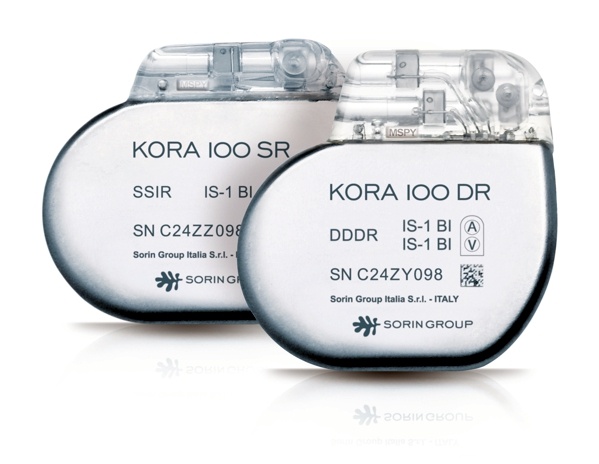
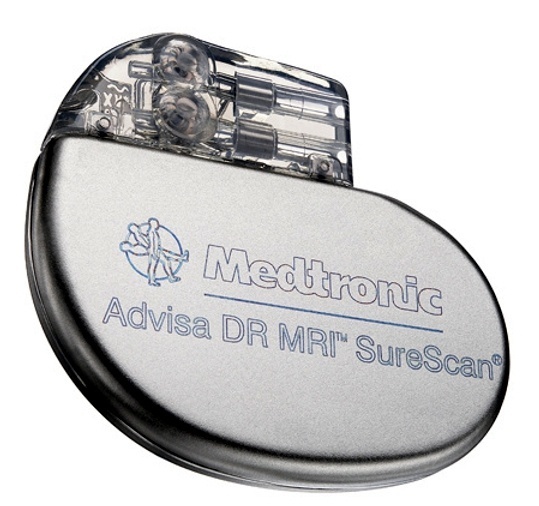

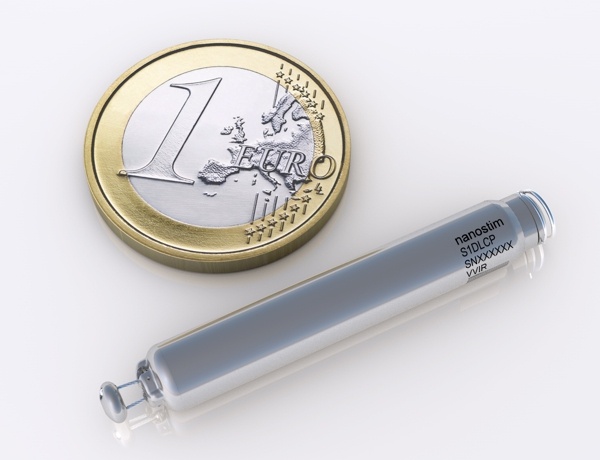
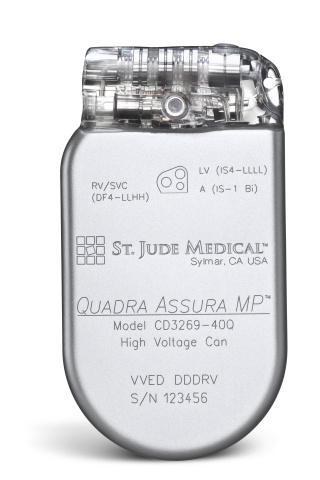 St. Jude Medical today announced CE Mark approval of its next-generation quadripolar device, the Quadra Assura MP™ cardiac resynchronization therapy defibrillator (CRT-D). The device features MultiPoint™ Pacing (MPP) technology that enables physicians to pace multiple locations on the left side of the heart. This gives the clinician more choices to best optimize cardiac resynchronization therapy (CRT) pacing to meet individual patient needs.
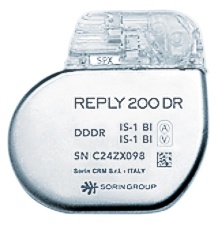 Sorin announced today CE mark approval and the European commercial launch of the REPLY ™ 200 family of pacemakers featuring Sleep Apnea Monitoring (SAM). According to the press release: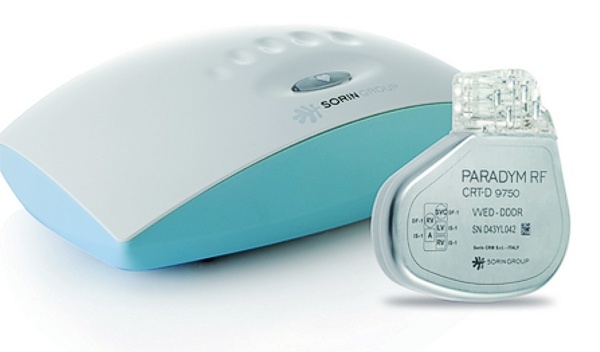
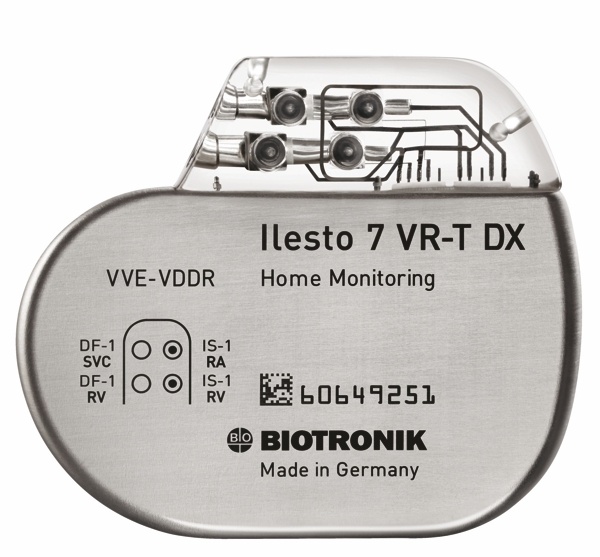
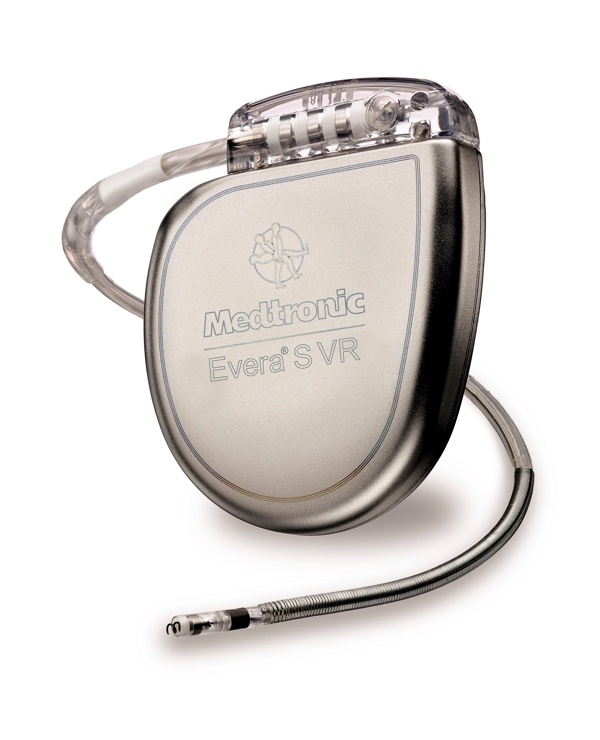
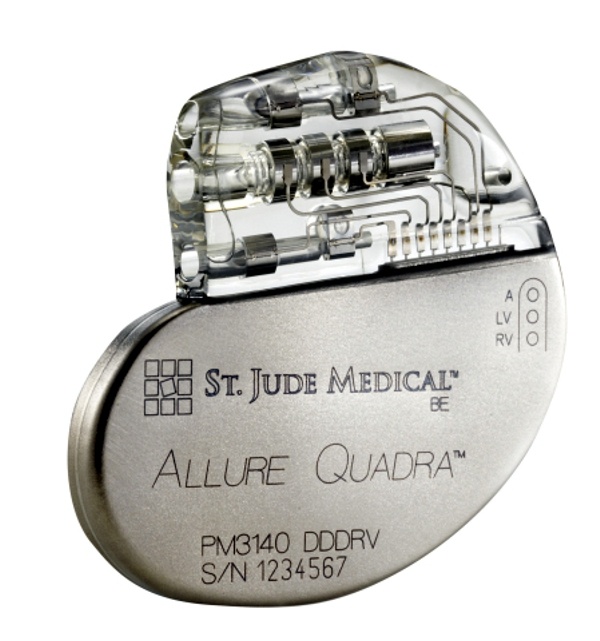 St. Jude Medical today announced CE Mark approval and European launch of its Allure Quadra™ Cardiac Resynchronization Therapy Pacemaker (CRT-P), which brings the quadripolar lead technology to the pacemaker market for the first time. According to the press release: