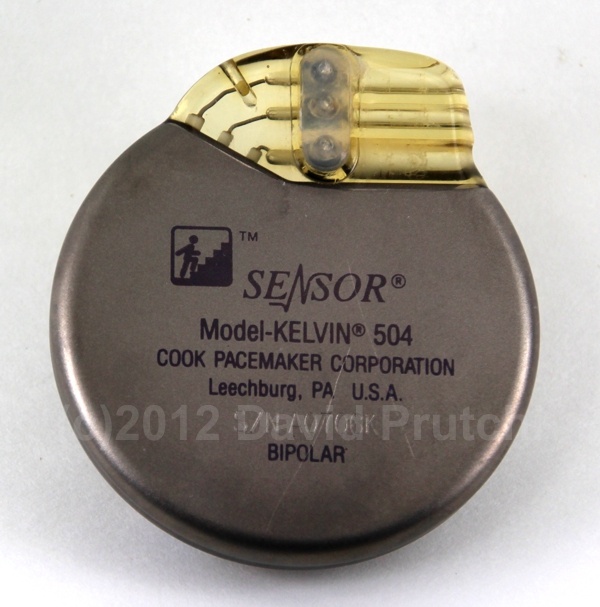
In 1983, Bill Cook and Dr. Neal Fearnot began to work under the Cook Pacemaker Company in Leechburg, PA on developing the technology developed by Dr. Fearnot at Purdue University into an improved prototype for a temperature-based exercise responsive pacemaker that was released in 1988 as the Kelvin Sensor rate-responsive pacemaker. One of the first CVT rate-adaptive pacemakers was the Cook Model Kelvin 500 series. Continue reading
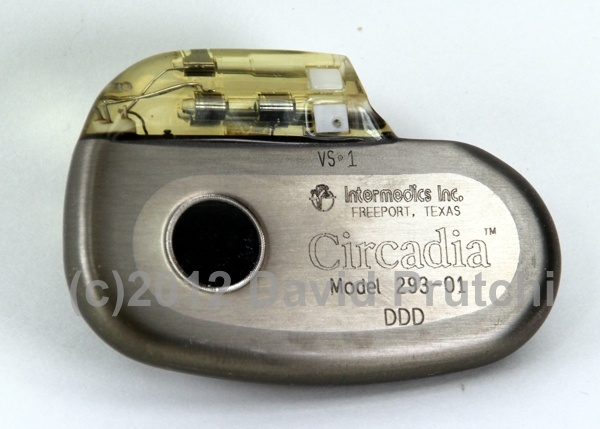
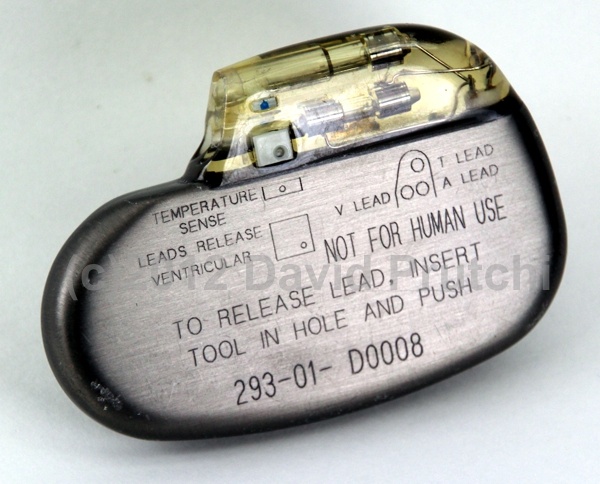
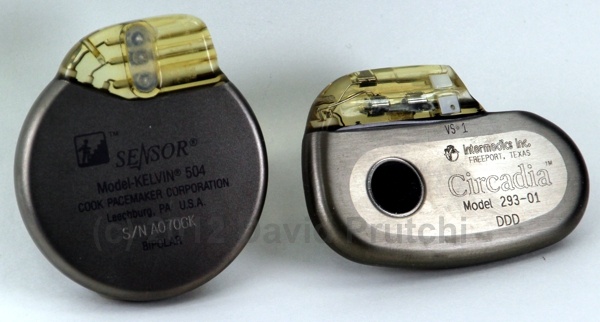 One of the indicators of metabolic demand that has been used for controlling the rate of pacemakers is central venous blood temperature (CVT).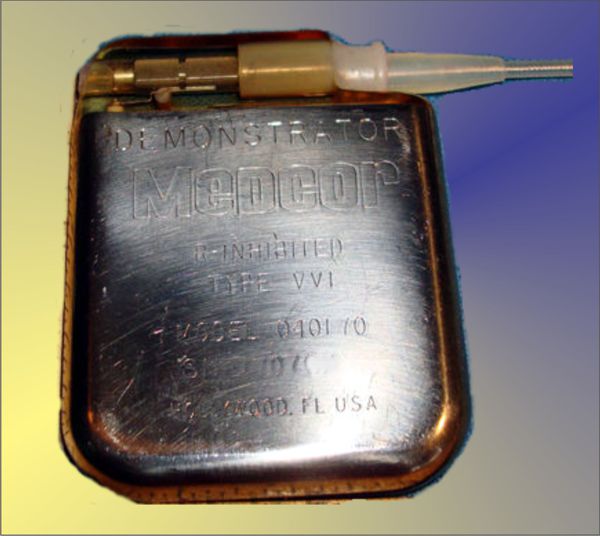


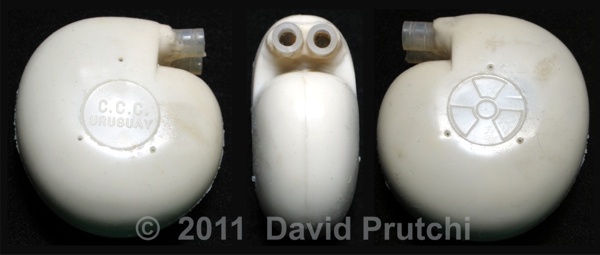

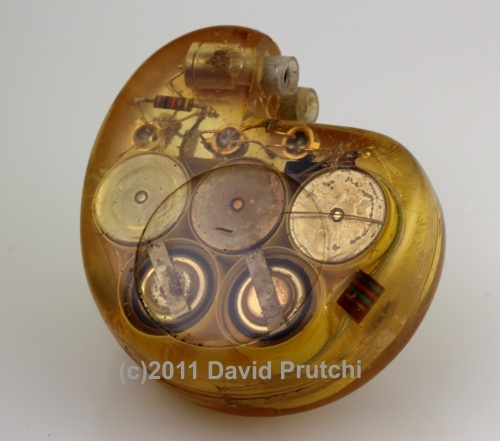

 CCC is one of the oldest pacemaker manufacturers in the world. It was founded in 1969 by Dr. Orestes Fiandra, who performed the first succesful, human, long-term pacemaker implant in the world.