
Retrospective data for Boston Scientific’s Precision Spectra™ Spinal Cord Stimulator (SCS) System were presented at the North American Neuromodulation Society (NANS) 17th annual meeting in Las Vegas. The data show that the device provided highly significant pain relief three months after implantation.
According to the press release:
Precision Spectra is the first SCS System designed to improve pain relief using the innovative and highly advanced Illumina 3D Software, a three dimensional anatomy-driven computer model. By providing 32 contacts – twice the number of contacts available with other SCS systems – the Precision Spectra System offers more coverage of the spinal cord for the management of chronic pain.
The retrospective study of up to 213 consecutive patients at 13 centers focused on patients with chronic pain who were treated with the Precision Spectra SCS System. Results include:
A 94 percent SCS trial therapy success rate (n=213)
A highly significant reduction in pain from an average baseline score of 7.8, on a 10-point scale, to an average score of 3.2 at three months post implant (in the patients who have reached the three-month follow up, n=113)
A highly significant reduction in low back pain from an average baseline score of 7.0, on a 10-point scale, to an average of 2.9 at three months post implant (in the low back pain patients who have reached the three-month follow up, n=32)
Early results indicate improvements in function, including walking and sleeping, in addition to reductions in opioid use and disability
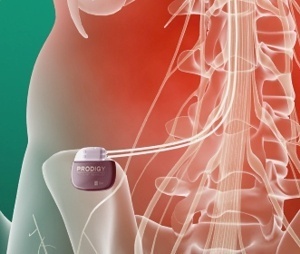 St. Jude announced today that it has initiated a clinical study of the Prodigy™ neurostimulator, which is the first SCS system able to deliver a proprietary mode of stimulation therapy called burst stimulation.
 A
A 
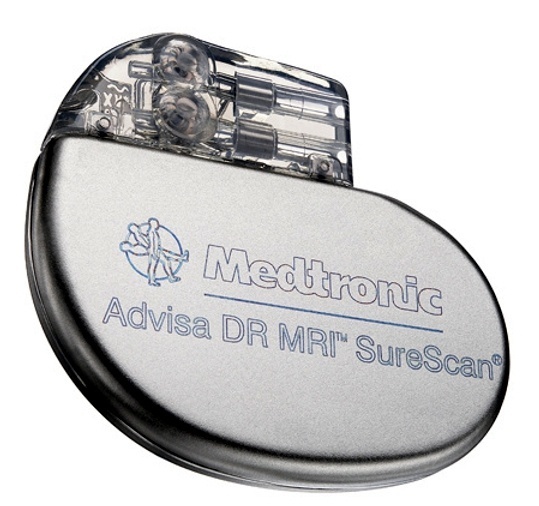


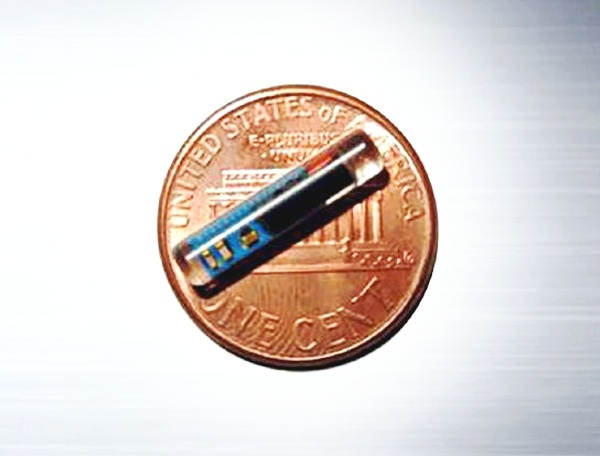


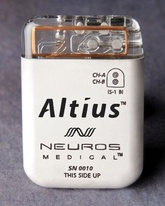 Neuros Medical received an Investigational Device Exemption to conduct a pivotal clinical trial to evaluate the Altius™ System High Frequency Nerve Block technology for the management of intractable limb pain of amputees. The prospective, randomized, controlled pivotal clinical trial will consist of 130 patients at 15 institutions in the U.S. to evaluate the safety and efficacy of Neuros Medical’s Altius System.