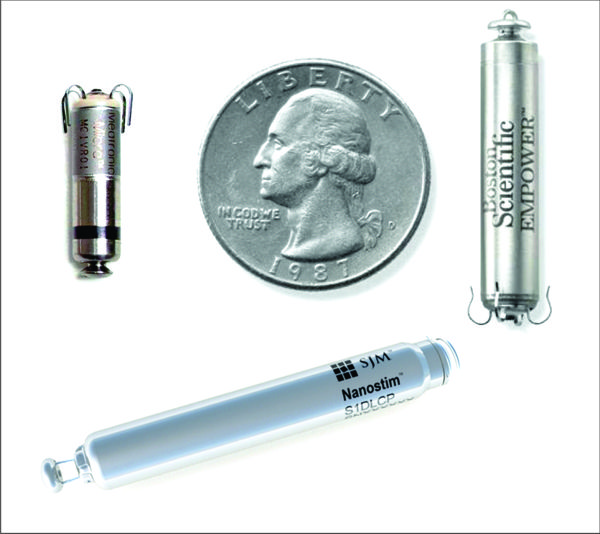
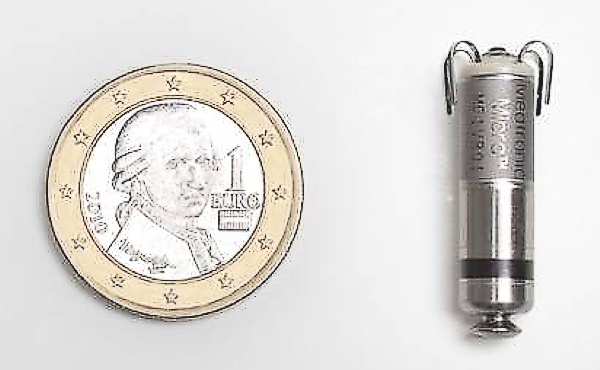
Medtronic Micra™, Boston Scientific Empower™, and St Jude (Abbott) Nanostim™. Scale is approximate
I just came back from HRS 2019 in SF, and the implantable devices buzz this year was around leadless pacemakers and defibrillators. Most importantly, they are no longer considered a technical curiosity, but rather are entering the mainstream as a serious alternative to leaded devices.
In the bradycardia field, Medtronic showed how their MICRA™- the only commercially-available leadless pacemaker at this time – is able to pace the ventricle in sequence with the atrium through the use of a 3D accelerometer that senses the atrial contraction.
Researchers using the Boston Scientific EMPOWER™ Modular Pacing System showed how it can communicate with Boston’s EMBLEM™ S-ICD System to provide brady and ATP pacing.
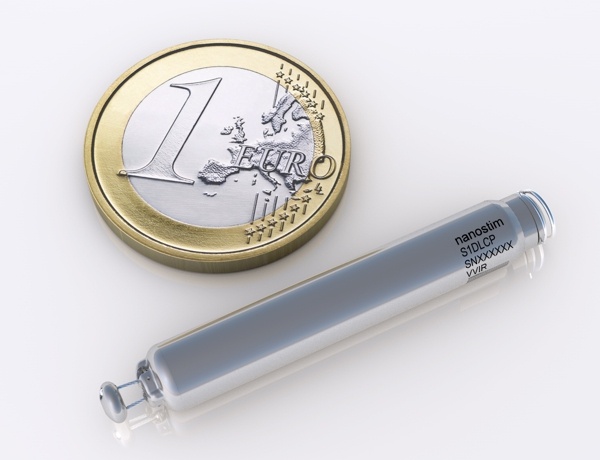
On its side, Abbott is said to be working to relaunch the plagued NANOSTIM™ leadless pacemaker after early battery depletion issues caused St. Jude to issue an advisory in October 2016, followed by Abbott maintaining the worldwide halt on implantations because of problems with the device’s docking button.
More mention is also being made of EBR’s LV pacemakers as an alternative to GCV leads to deliver CRT.

EBR’s WISE wireless LV pacemaker is powered from an ultrasonic generator implanted outside the heart.
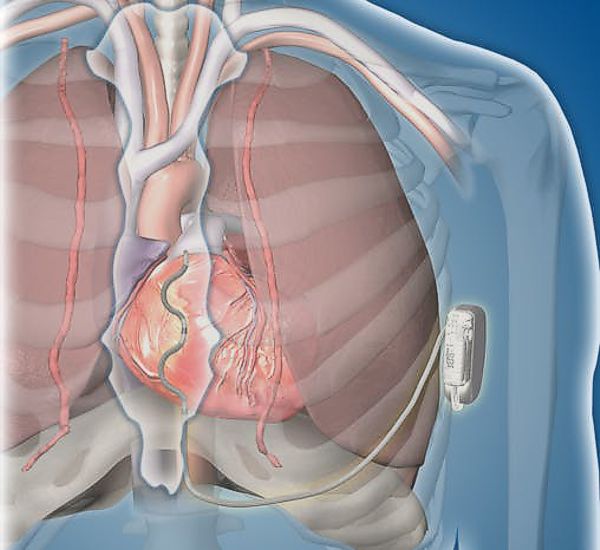


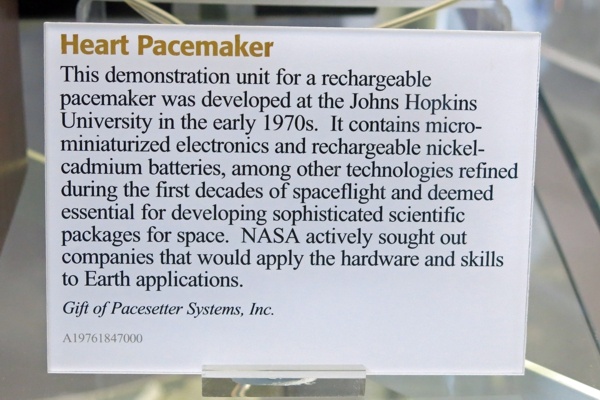
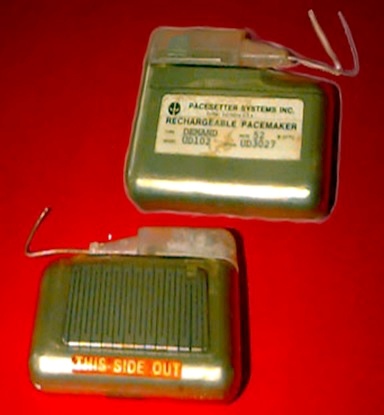 I can’t remember exactly where I found the picture of a Pacesetter model BD102 VVI, but the story behind it is documented by Kirk Jeffrey in “Machines in our Hearts”:
![IMAGE_Nanostim_Product_Shot[1]](https://www.implantable-device.com/wp-content/uploads/2013/10/IMAGE_Nanostim_Product_Shot1.jpg)
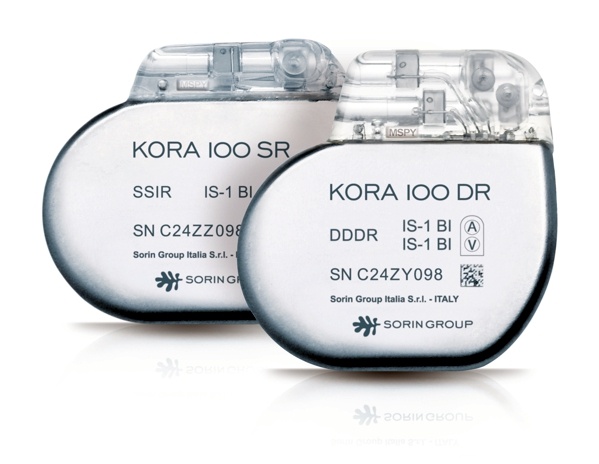
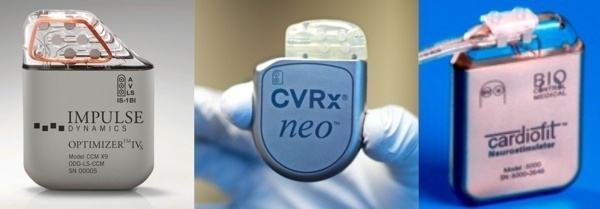
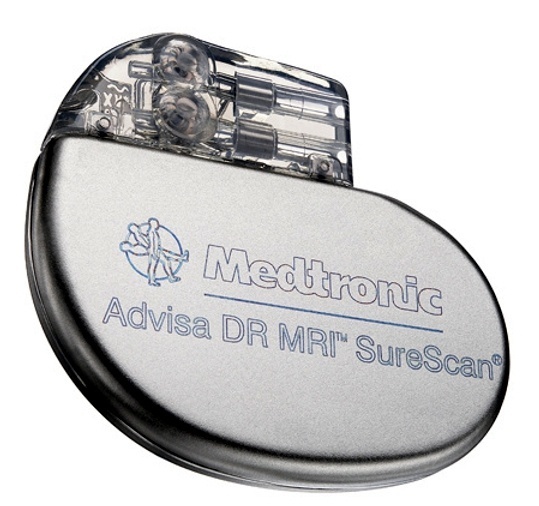
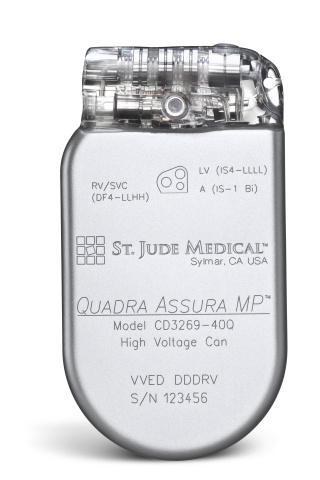 St. Jude Medical today announced CE Mark approval of its next-generation quadripolar device, the Quadra Assura MP™ cardiac resynchronization therapy defibrillator (CRT-D). The device features MultiPoint™ Pacing (MPP) technology that enables physicians to pace multiple locations on the left side of the heart. This gives the clinician more choices to best optimize cardiac resynchronization therapy (CRT) pacing to meet individual patient needs.