Image Credit: CorTec
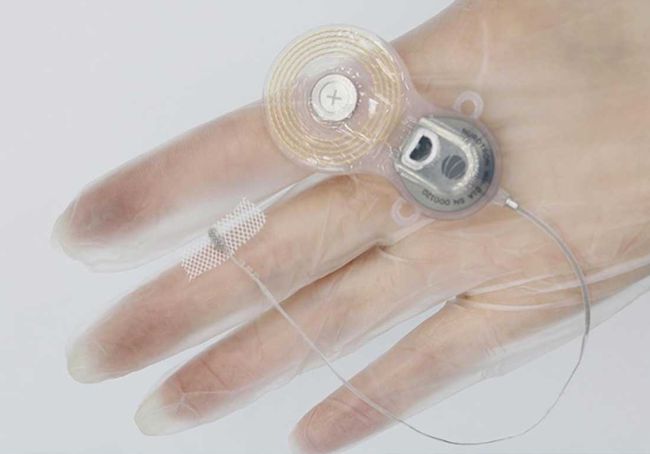
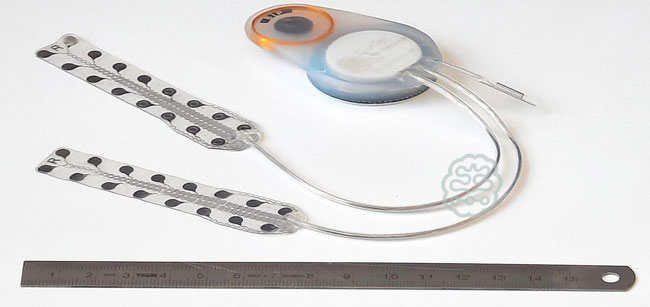
CorTec announced that its micro-electrocorticography (µECoG) arrays have continued recording neural activity more than four years after implantation in a nonhuman primate at Weill Cornell Medicine. The research involved two animals, with 63 of 64 contacts still functioning in the animal under continued observation. Results presented at the September 2026 Graz Brain-Computer Interface Conference compared recordings through day 1,361 and found stable spatial and spectral characteristics, including distinguishable activity patterns during alert task performance and drowsiness.
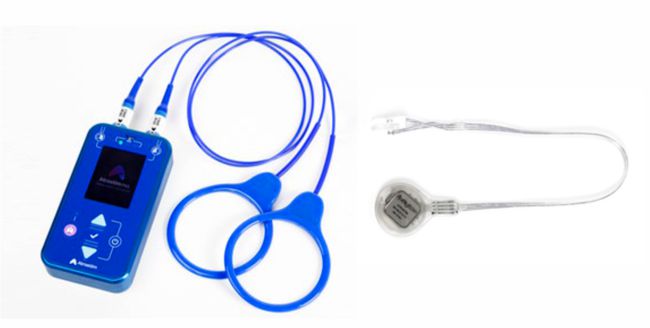
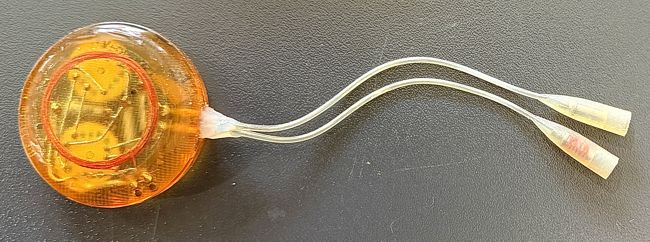
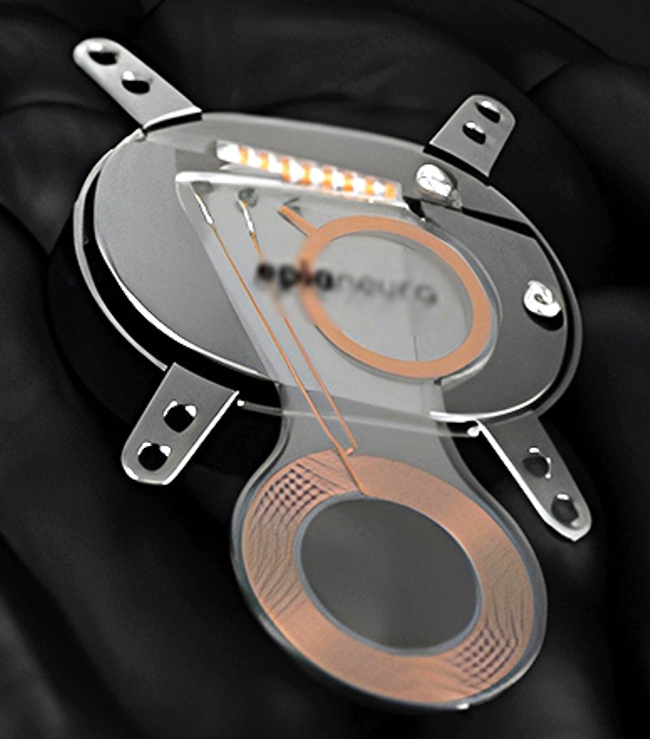
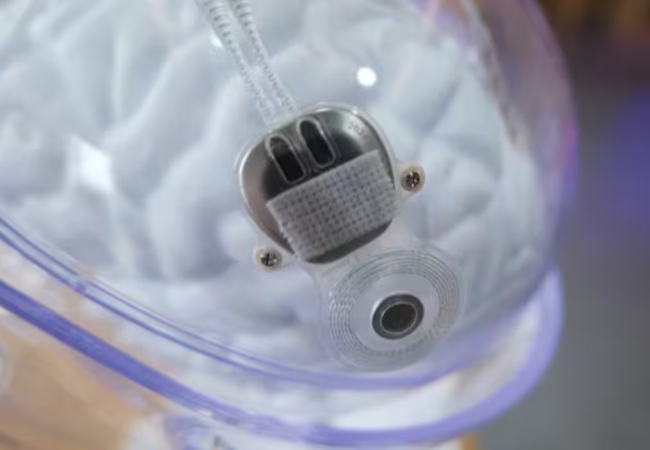
The arrays sit on the dura without penetrating brain tissue and use medical-grade silicone and platinum-iridium, with materials and manufacturing methods shared by the electrodes in CorTec’s Brain Interchange system.