From: Maity et al. “Wireless electrocatalytic closed-loop system for drug-free management of diabesity”
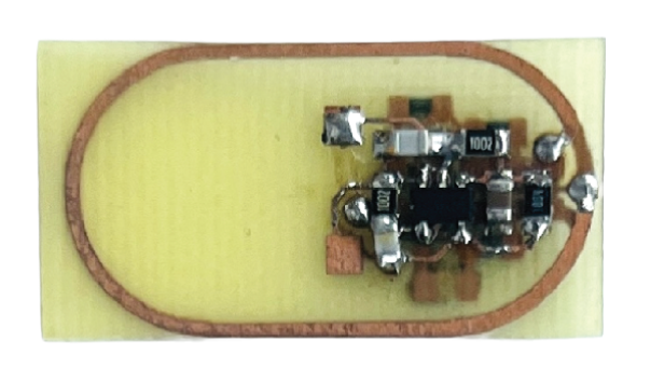
Researchers at ETH Zurich have developed an experimental implantable device that uses electrocatalysis to regulate blood glucose without insulin or other medications. Described in a paper published in Science on October 22, 2026, the Electrocatalytic Closed-Loop Health Optimization (ECHO) system uses a catalyst consisting of platinum-coated gold nanoclusters embedded in graphite felt to oxidize glucose into gluconate, which is subsequently eliminated through the kidneys. The implant incorporates electronic control circuitry and receives power wirelessly at 13.56 MHz. When connected to a commercial continuous glucose monitor through a smartphone, the system automatically activates when glucose exceeds a preset threshold and deactivates once glucose returns to the desired range. Unlike conventional diabetes treatments, the device directly removes excess glucose rather than influencing its metabolism through pharmacological or biological mechanisms.
In experiments involving mice with type 2 diabetes and obesity, wireless activation of the implant at just 0.75 V and 10 mA restored normal blood glucose levels within one hour. Over six weeks of treatment, the researchers observed reductions in body weight and circulating triglycerides, accompanied by increased fatty acid utilization, without detectable hypoglycemia or significant adverse physiological or inflammatory effects. The researchers also demonstrated glucose conversion in a five-liter laboratory reservoir, approximately equivalent to the blood volume of an adult human. Although the technology remains at the preclinical stage, with long-term biocompatibility, catalyst durability, and scalability to human applications still requiring investigation, it represents a potentially important new direction for active implantable medical devices involving electronically controlled, closed-loop metabolic therapy without drug delivery or biological actuators.