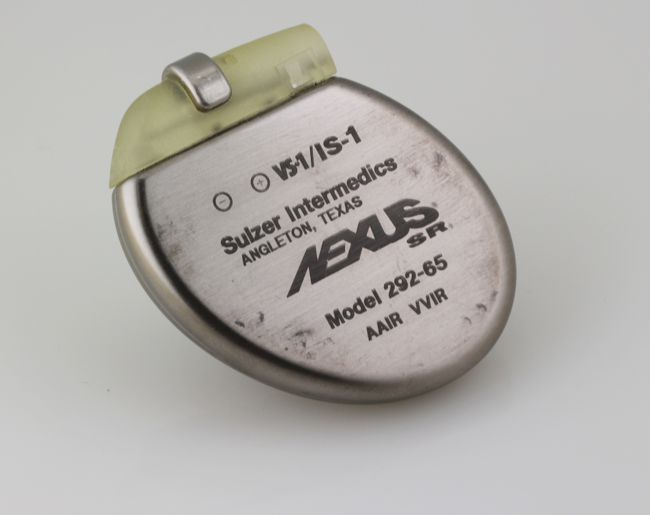

Medtronic announced at TEDMED 2010 that it is working on leadless pacemakers. Dr. Stephen Osterle, senior vice president of medicine and technology and member of Medtronic’s Executive Management Team, unveiled the device. Osterle said that physicians will be able to control the device with a smart phone.

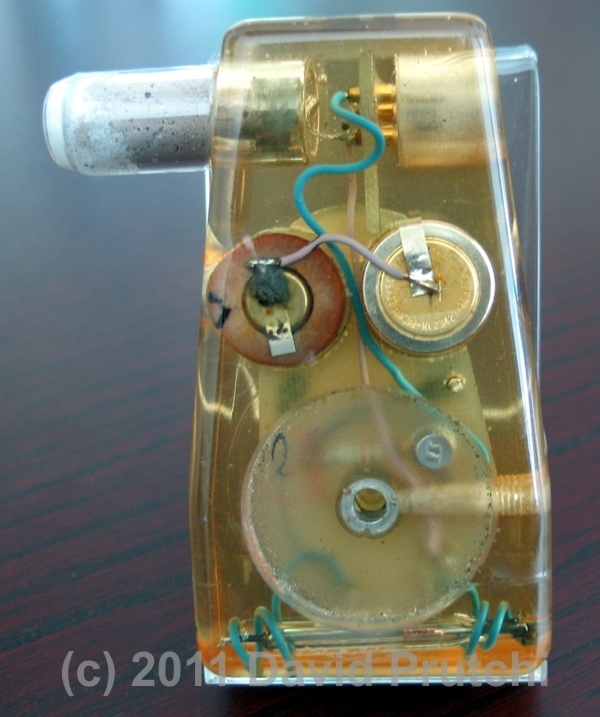
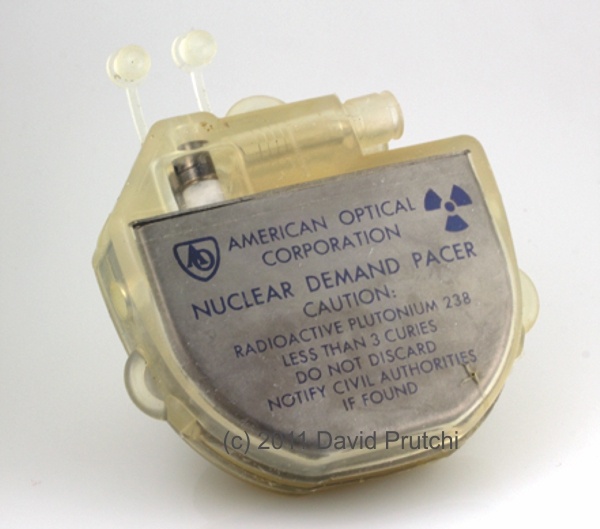
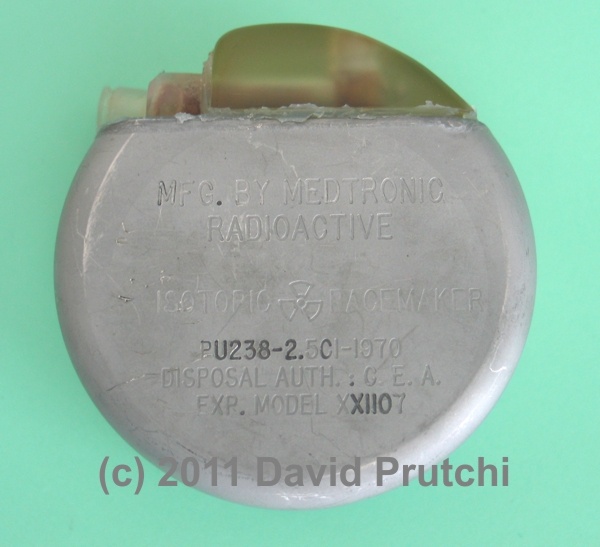
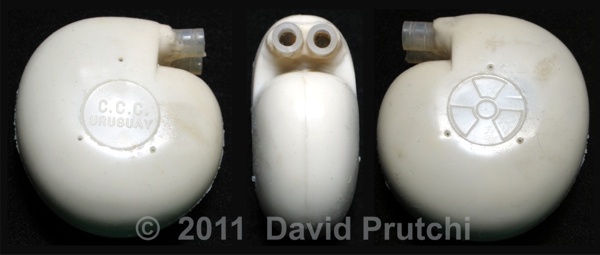

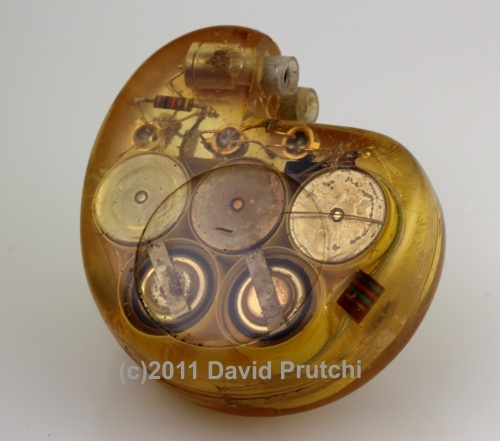

 CCC is one of the oldest pacemaker manufacturers in the world. It was founded in 1969 by Dr. Orestes Fiandra, who performed the first succesful, human, long-term pacemaker implant in the world.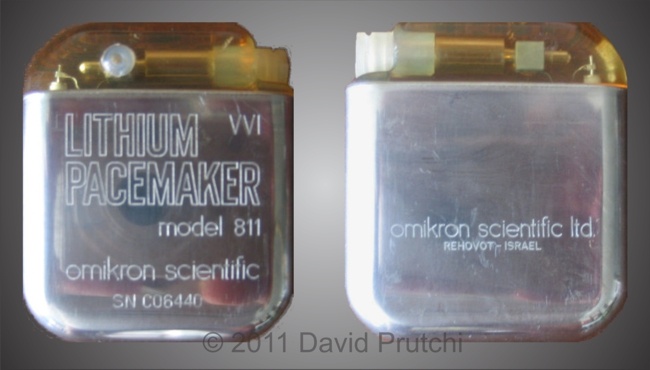
 Dr. Fischell received his BSME degree from Duke University and MS and Sc.D. degrees from the University of Maryland. Dr. Fischell was employed at the Johns Hopkins University where he was the Chief Engineer of the Space Department and worked on more than 50 spacecraft. His interests at Johns Hopkins then turned to the invention of new medical devices such as pacemakers and implantable heart defibrillators. Starting in 1969, Dr. Fischell began the formation of 14 private companies that licensed his patents on medical devices. These companies include Pacesetter Systems, Inc. (now called St. Jude Medical), IsoStent, Inc., NeuroPace, Inc., Neuralieve, Inc., Angel Medical Systems, Inc, and Svelte Medical Systems, Inc. Dr. Fischell is a prolific inventor with over 200 issued U.S. and foreign patents, many of which have been the basis for new medical device companies.